


Check Windscreen Wipers and Washer Fluid
Visibility is a necessity. Make sure the screen wash facility on your car is effective at cleaning the screen without leaving any streaks or vibrations. Blunt rubber blades are a common reason for poor results. Top up your screen wash reservoir with screen wash fluid and make sure the reservoir is not empty. The screen should not have any damage to the driver’s area of view (an area greater than 10mm directly in front of the steering wheel will fail a test), nor any damage greater than 40mm to the area swept by the windscreen wipers. A good view is crucial for safe driving in a busy environment like London.
Top Up Necessary Fluids and Examine for Leaks
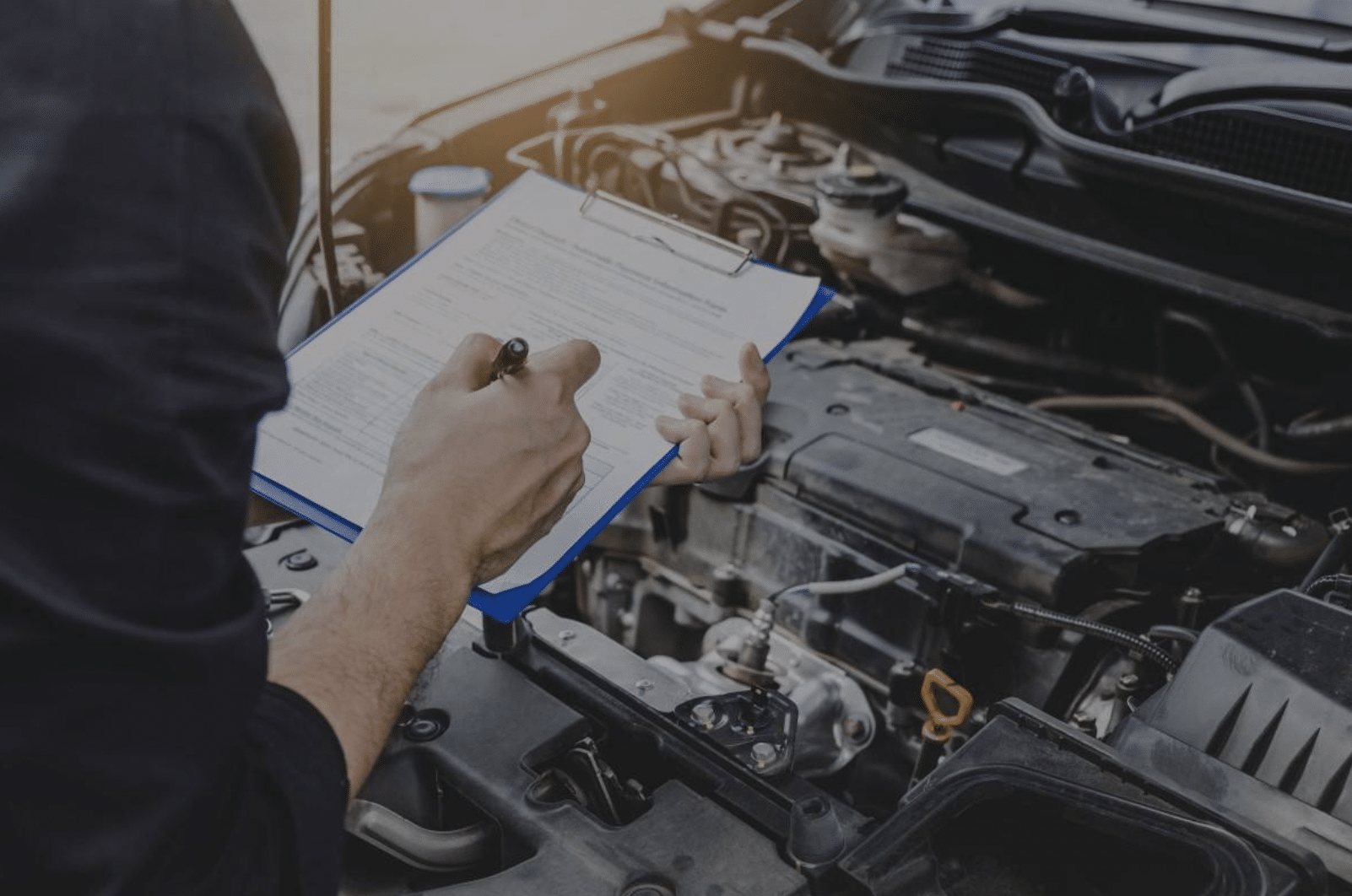
Under the covers, you must inspect all required levels and see if leaks exist. Levels of engine oil, coolant, brake fluid, and power steering fluid will all be included here. Starting the automobile and inspecting the fluid level will help you to prevent a failed test should there be a leak present due to insufficient levels. You will automatically fail on the prescribed fluids, brake fluid, IDD or fuel leak, not on fluid levels. Low brake fluid will turn on the low fluid light, which will also fail you.
Try The Horn And Every Seatbelt
These are very fundamental but vital safety elements. First, quickly press your horn to see whether it is working correctly and producing its characteristic noise. After that, go over every car seatbelt with precision. Check that the inertia reel is working by tugging every seatbelt firmly to ensure it secures swiftly. Check the belt for damage and ensure every seatbelt works properly in its buckles. It makes no sense to put safety elements in your vehicle that won't work correctly.
Clean the Interior and Declutter the Vehicle
Though not a straight result of the testing process, appearance matters. A spotless car makes a better impression and lets the tester readily reach the retraction and seating condition inspection locations. Get rid of all needless items from the footwells, seats, and luggage compartment. Maintain your car registration document (the V5C Log Book) as the inspector asks for precise facts about your motorcar. Keeping the load area clear during the MOT helps the inspector inspect the motorcar's structure and body fitment security.
Choose a Reputable, Approved Test Centre
Finally, choose your testing garage carefully. In London, you can choose between council-operated testing stations where no repair work is done and private garages approved by the authorities. You can search for approved MOT testing stations on the GOV.UK website. Check out recent reviews to determine whether their reputation for being fair and comprehensive precedes them. A good testing garage will provide clear explanations if your vehicle fails the test or if any advisories are raised.
Conclusion
The secret to a stress-free and successful experience during your MOT test in London is proactive preparation. By methodically going through the critical pre-test checks listed below, you will be able to spot and put right potential defects before they result in test failure.
This is not simply a one-way method of maximising the chances of passing on the first try, but is even more important in that it will help ensure your vehicle obeys all safety standards on London roads. Do not see your car’s MOT test as something to be feared, but instead use it as an important health check every year.
Visit Fanspo for more informative articles