


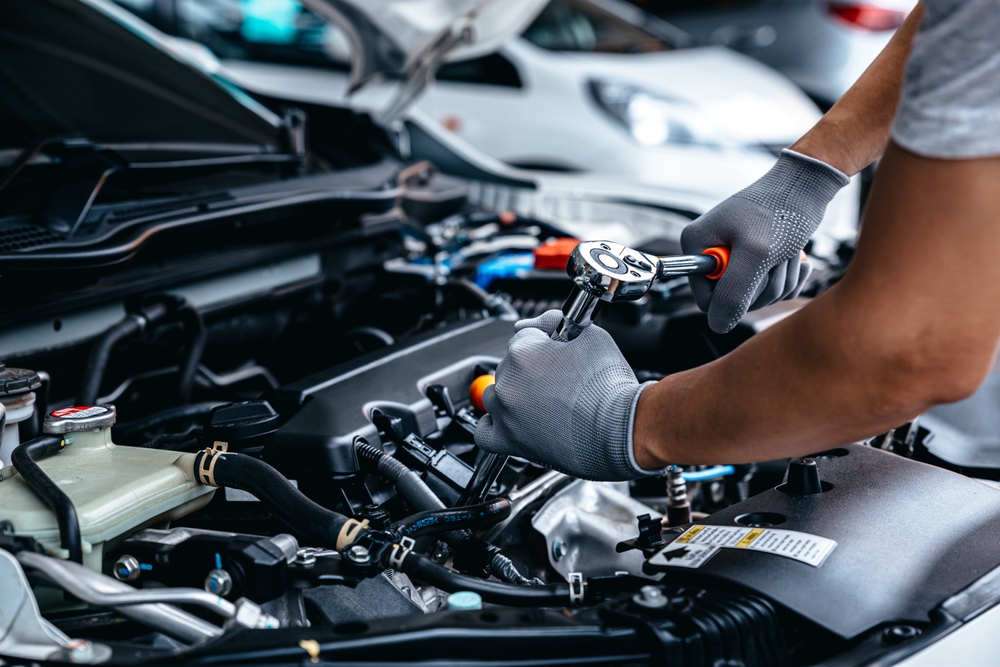
Restoring equilibrium to the entire engine, rather than merely replacing a part, is what matters. Performed correctly, cylinder head reconditioning transforms maintenance from simply a repair to a wise investment by enabling your car to run cleaner, use less gasoline, and run dependably.
Keep the Air Filter Clean
A filthy air filter will silently rob fuel economy. It limits airflow, therefore causing the engine to operate harder and consume more gasoline. Check and clean your filter often or replace it if need be. Better combustion, less stress, and better breathing for the car result from a fresh filter. Without sophisticated fixes, even little maintenance like this will significantly improve gasoline efficiency.
Some drivers choose high-performance filters for more than just cleaning. These enable more air to circulate without degrading filtration, therefore enhancing the operation of current engines. Checking the filter more regularly can help you avoid slow fuel loss if your itinerary often features dusty roads.
Inspect Spark Plugs Regularly
Misfires and imperfect combustion result from worn or unclean spark plugs. This lowers engine performance and wastes gasoline. Replace if necessary and examine plugs every few thousand kilometres. Rightly spaced, clean plugs enable the engine to burn fuel effectively, thereby maximising every drop. Though tiny, it packs quite a punch.
Moreover, spark plugs affect throttle response. Fresh plugs can increase acceleration and engine smoothness, therefore indirectly conserving gasoline while stop-and-go driving. Using premium plugs appropriate for your engine type guarantees longer intervals between replacements.
Use Quality Fuel Injectors
Clogged or defective fuel injectors interfere with the spray pattern, hence lowering fuel efficiency. Professional cleaning or replacement guarantees the best fuel distribution. Some engines react sharply to this change, running less and saving fuel. At this level, accuracy enhances both fuel efficiency and performance.
Regular maintenance calls for injector cleaner additives or expert ultrasonic cleaning. Consistent injector performance avoids erratic fuel burn, therefore safeguarding engine components and lowering emissions while improving fuel economy.
Check and Fix Vacuum Leaks
Unmetered air produced by vacuum leaks in intake manifolds or hoses causes sensor bewilderment by the engine. Then the ECU makes an incorrect change, sometimes raising fuel use. Leaks can be found via a fast check. Repairing them balances airflow, increases throttle response, and lowers pointless fuel usage.
Sometimes, all you have is keen observation and a little spray test to expose the offender; you do not need expensive equipment. Over time, even tiny rubber hose cracks can have an effect on performance. Repairing these leaks stops engine stalling or rough idling in addition to conserving gasoline.
Maintain Proper Tire Pressure
Although tyre pressure is not intrinsic to the engine itself, it influences how challenging your motor works. Under-inflated tyres raise rolling resistance, thereby compelling the engine to burn more gasoline. Keep tyres at manufacturer-recommended pressure and check them often. An easy trick enhances fuel economy, lengthens tyre life, and helps to keep driving fluidly. Particularly in colder months, seasonal variations may influence tyre pressure.
Optimise Engine Timing
Bad timing lowers power and squanders fuel. Older automobiles often need timing adjustments; contemporary engines depend on sensors. Be sure timing belts, chains, or electronic timing are properly set. Good timing helps to lessen fuel waste, smooth idle, and increase combustion efficiency. It's an exact adjustment that pays off both performance and economy. Timing issues may also trigger engine knocking or unusual vibrations. Fixing these problems improves both fuel efficiency and engine longevity, making it a high-return maintenance task.
Use Engine Oil Wisely
The wrong oil viscosity can increase friction, forcing the engine to work harder. Stick to manufacturer-recommended oils, ideally synthetic blends for high efficiency. Clean oil also keeps components moving smoothly, prevents overheating, and maintains optimal fuel combustion. Regular oil changes are simple but often overlooked tricks that protect the engine and save fuel. Using high-quality synthetic oil can improve mileage slightly by reducing internal drag.
Conclusion
Efficient fuel performance isn’t about a single fix—it’s a combination of small, targeted actions. Clean air filters, functional spark plugs, precise injectors, and proper timing all work together. Vacuum leak repairs, correct tyre pressure, and the right engine oil complete the picture. When each part of the engine works harmoniously, fuel efficiency rises naturally. Regular attention to these details not only saves money at the pump but also extends the life of your engine, keeping your car performing reliably for years.
Visit Fanspo for more informative blogs