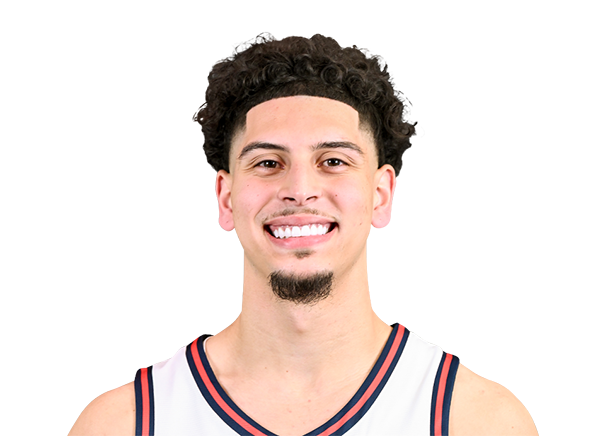
Koby Brea is probably the best pure shooter in the Draft—an elite marksman with size and efficiency that make him a high-upside specialist pick. At 6′6″ with a 6′7″–6′8″ wingspan and 215 lbs, he combines height with a sharpshooting pedigree honed over five collegiate seasons. After a few seasons at Dayton (winning two A‑10 Sixth Man of the Year awards and leading the nation in 3P% at 49.8%), he transferred to Kentucky and sustained elite efficiency across 36 games, averaging 11.6 PPG, 3.2 RPG, 1.3 APG on 47.0% FG, 43.5% 3PT, and 91.4% FT. His off-the-ball movement is polished—he navigates screens, curls, relocates, and spaces via advanced footwork—leading to 48% shooting in transition, 46% on handoffs, and 44% off screens. His combine results back up his shooting touch: 21/30 off-dribble threes, 17/27 from the corner, cementing his reputation as a highly mechanical and consistent catch-and-shoot threat.
On offense, Brea’s impact stems from only shooting but his spacing and shooting gravity is elite. He demands attention, opens driving lanes for creators, and connects from range with elite rhythm. He’s a clean fit in modern systems. His assist-to-turnover ratio (1.3/0.5) hints at smart spacing and ball movement, though creation remains minimal.
Defensively and athletically, he’s underwhelming. Below-the-rim athlete with limited burst and quickness, *5% finishing inside, and his negative wingspan are traits that hurt his versatility. He lacks quick closeouts and gives up space defensively, and while he battles off the ball, he does not have the tools necessary to bother players while on defense. If he gets run off the line, he can keep the ball moving but you would prefer for him to finish at the rim, where he was not good last season (45% on layups while in the half court). Injuries (stress fractures with rods in both tibias) further raise durability questions (
[daytonflyers.com][5]
).
Still, NBA teams covet his shooting, and Brea offers a high-floor, specialized package: an elite spacing guard who anchors perimeter offense without needing creation. In bench lineups, he fits as a pick-and-pop plus catch-and-shoot weapon. He could earn rotation minutes early due to his shooting. He'll always be a shooting specialist; if he adds anything else to his game, he'll earn more playing time in crucial games.
Player Comparison: Shades of Duncan Robinson and Luke Kennard