


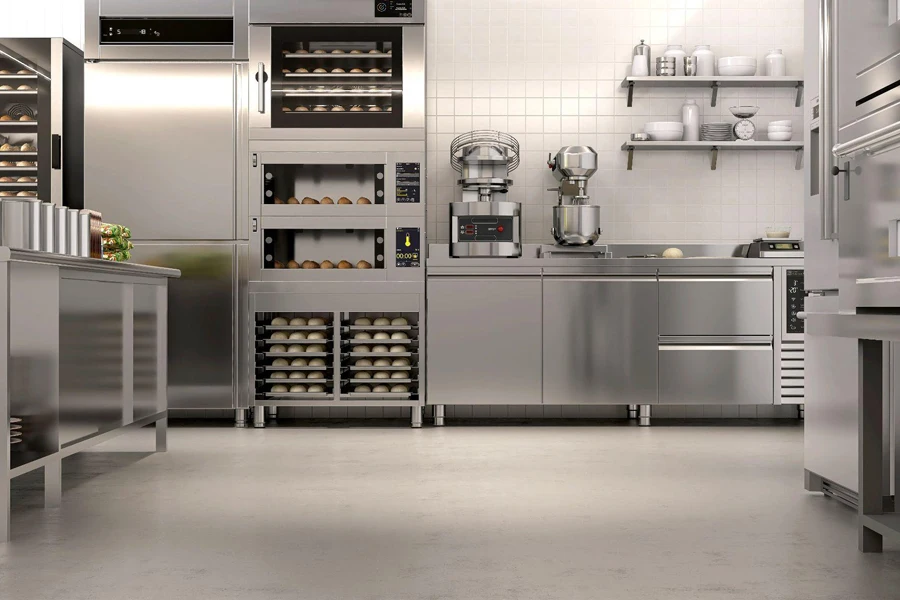
Get Familiar with Equipment
Commercial kitchens depend on a range of equipment: ovens, fryers, mixers, refrigerators, and dishwashers. Everyone has particular maintenance requirements. Read the handbook first. Many operators bypass this since they believe “common sense” is sufficient. It doesn't. Knowing the operation of every machine guarantees longevity, efficiency, and safety. Commercial kitchens in the UK sometimes run long hours. Machines are always under strain. Knowing them helps to avoid expensive breakdowns from small problems.
Daily Cleaning Matters
The simplest approach to guarantee machines run smoothly is daily cleaning. Promptly remove food debris, oil, and spills. Regular oil filtering or replacement is required for fryers. Grills need scratching; mixers need great wiped-downs. Little daily activities help to avoid serious issues with service. Give personnel clear cleaning duties. A clean machine runs more effectively, saves energy, and prevents unexpected downtime in addition to being sanitary.
Schedule Regular Servicing
Professional servicing of machines is essential. Food safety rules in the UK sometimes demand routine inspections. Arrange bi-annual or yearly check-ups with qualified engineers. Servicing finds wear and tear before it fails. It also guarantees the validity of warranties. Don't put off getting a fryer or refrigerator fixed until mid-service or during peak hours fail. Your kitchen will run like clockwork with proactive upkeep.
Monitor Usage Patterns
Follow the use of machines. Overloading mixers or operating ovens above their capacity reduces lifespan. Simple monitoring helps to avoid mechanical stress and overheating. Staff should be encouraged to adhere to suggested usage restrictions. Recording performance and hours of operation enables the detection of patterns that could cause early failures. Awareness of consumption patterns saves money and lowers emergency repairs.
Use Quality Supplies
The equipment you operate is entitled to appropriate materials. High-quality oils, suitable cleaning compounds, and appropriate lubricants change everything. Cheap oil in fryers speeds corrosion, for example. Harsh chemicals harm seals, rubber, and wiring. Using UK-approved cleaning products guarantees adherence to health and safety regulations while safeguarding your equipment. Think of supplies as machine fuel; the better the quality, the longer the machine lives.
Train Your Staff
Machine are only as excellent as their operators. Good instruction lowers breakdowns, accidents, and abuse. Teach personnel how to operate, clean, and fix simple problems. Reinforce training with brief refresher sessions. Well-trained personnel serve as the initial line of defence. A small error, like overloading a dishwasher or operating the incorrect temperature setting, can cause hundreds or thousands of dollars in damage to fix.
Keep a Maintenance Log
A basic log might save one from serious headaches. Record service dates, repair logs, replacement components, and cleaning plans. This holds everyone responsible and enables projections of machines' needs for care. Maintaining logs also simplifies warranty claims and offers proof for inspections or audits. Consistency is more important than elegance; a small notebook or computer spreadsheet will suffice.
Plan for Emergencies
Machines break down even with thorough upkeep. Make a strategy. Find reliable local UK engineers who may provide quick responses. For important machinery, keep some additional parts available. Instruct staff on rudimentary troubleshooting so that little problems don't stop operations. Arrangement helps to calm down peak-hour panic. The objective is to preserve customer service and reduce downtime.
Balanced energy consumption
If not used effectively, commercial kitchen equipment can consume a great deal of energy. Turning off appliances when not in use, setting temperatures properly, and selecting energy-efficient models all contribute significantly to lowering bills. Tracking energy consumption also helps spot equipment that is underperforming or needs maintenance. Effective energy use helps to lower your carbon footprint in your kitchen, in addition to decreasing costs and prolonging the life of your equipment.
Conclusion
Maintaining commercial kitchen equipment in the United Kingdom involves more than just reading manuals or cleaning. Daily attention, regular professional maintenance, close monitoring, and staff awareness are needed. Good materials and effective instruction may have a big impact. Preserving records and getting ready for disasters guarantees your kitchen keeps running efficiently under any circumstance. A clean kitchen guarantees food quality remains high, lengthens the life of equipment, and lowers expenses. Effective machines maintain team productivity, avoid delays, and conserve energy.
Visit fanspo for more informative blogs.